Crested Gecko Morph Guide
Base colors, patterns, traits, and genetics explained in plain language, with photos of crested geckos we have raised in Tyler, TX.
What is a morph?
In crested geckos, a morph is the combination of a gecko's base color, its pattern, and any extra traits. A listing name like "Dark Harlequin with Partial Pinstripe" is just a description built from those parts: a dark base, a harlequin pattern, and a partial pinstripe.
There is no official naming standard, so breeders use slightly different words for similar looks. Some of what you see is genetic and passes on in predictable ways, and a lot of it is just the way an individual gecko turned out. What does not change is care: every morph needs the same setup, which you can find in our crested gecko care guide.
- Base color
- The main body color, such as red, yellow, or dark
- Pattern
- Markings over the base, such as flame, harlequin, dalmatian, or phantom
- Traits
- Extras like pinstripe, portholes, or whitewall
- Genetic morphs
- Lilly white, axanthic, cappuccino, and other named genes
Base colors
The base color is the body color underneath any pattern. Common ones include:
- Red: deep red to rusty brown-red
- Orange: bright, saturated orange
- Yellow: yellow to golden
- Buckskin: tan to light brown
- Olive: a muted green-brown
- Dark base: very dark brown, nearly black
- Lavender: a gray tone with a purple tint
- Cream: pale and light
Base colors vary from gecko to gecko, and a gecko can look noticeably different in a photo than in person.
Patterns
Flame
A lighter, flame-like pattern running along the back and sides over a darker base. It is the classic crested gecko look.
Harlequin
A flame with more coverage, where the pattern spreads down the sides and onto the legs. Extreme harlequin means very heavy coverage, often most of the body.
Pinstripe
A row of raised, usually cream-colored scales that run along each side of the spine like pinstripes. A partial pinstripe has gaps or covers only part of the back, and a full pinstripe is a more complete line.
Dalmatian
Dark spots scattered over the body, like a dalmatian dog. More and larger spots are sometimes called super dalmatian or ink spot.
Tiger and brindle
Tiger has darker bands or streaks across the body, like tiger stripes. Brindle is similar but more irregular, with blended dark streaks and patches instead of clean bands.
Bicolor and tri-color
These describe how many distinct colors show in the pattern. A bicolor has two clearly different colors, and a tri-color has three, for example a base color, a pattern color, and a third contrasting color.
Phantom
A patterned look where the pattern is muted and low in contrast, so the gecko has a dark, shadowy, ghost-like appearance. Phantoms can also carry other markings, such as dalmatian spots.
Extra traits
Traits are details layered on top of the base color and pattern. These show up often in our listings:
- Portholes: small, rounded spots or "windows" along the sides within the pattern.
- Whitewall: white or cream coloring along the sides of the body, often paired with a harlequin pattern.
- White patterning: pale or white markings in the pattern.
Genetic morphs
Some looks come from specific genes. These follow predictable rules, which is why breeders keep careful records of parents. Patterns like flame, harlequin, and dalmatian are different: they do not follow a simple rule, so the babies from two patterned parents can vary.
Lilly white
An incomplete-dominant gene that adds white or cream bands and patches, usually on the back and sides. Only one copy is needed to show it. The double-copy (super) form is not viable, so breeders do not pair two lilly whites together.
Axanthic
A recessive gene that reduces yellow, orange, and red pigment, giving a gray, black, and white look. A gecko needs two copies to show it. A het axanthic carries one copy, looks normal, and can pass the gene to its babies.
Cappuccino, sable, and frappuccino
Cappuccino is an incomplete-dominant gene that gives darker, muted coffee tones. Sable is closely related, and frappuccino is a cappuccino combined with lilly white. As with lilly white, the double-copy (super) cappuccino is not viable.
Tip: When a listing says "het," "proven," or names a gene, ask the breeder what they know about the parents. Our listings show each gecko's sire, dam, and hatch date.
Color change & growing up
Crested geckos change color. At night, when warm, or when active, they fire up: the colors get darker and richer. During the day, when resting, they fire down and look paler and more muted. A photo of a gecko fired up can look very different from the same gecko fired down.
Babies change as they grow, too. A hatchling's pattern can fill in, spread, or darken over the first year or more, so the adult may not look much like the baby. If you want to know how a gecko will mature, look at its parents and ask for photos of the gecko both fired up and fired down.
How to choose
The morph is the fun part, but health matters more than color. A well-cared-for gecko of any morph is a better choice than a rare morph that is not doing well. Before you pick:
- Look for a gecko that is alert, eating well, and at a healthy weight for its age
- Check for clear eyes and a straight spine and jaw
- Look for complete toes and a clean vent
- Ask for the hatch date, weight, and what it is eating
- Ask about the parents, and how the animal was raised
- Ask for photos in different lighting, and fired up and fired down
- Decide what you like: a color, a pattern, or a particular trait
Prices reflect how clear and well developed the markings are and whether a gecko carries a genetic morph. See our available crested geckos for current prices and details, or message us and we will help you find one that fits what you want.
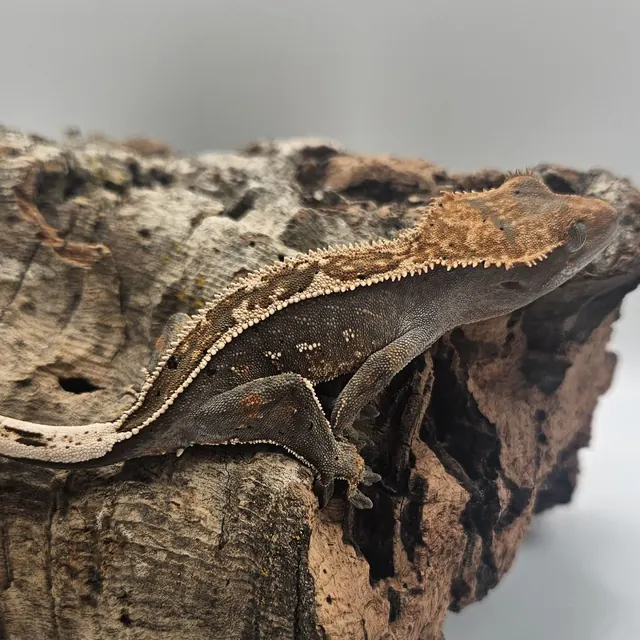
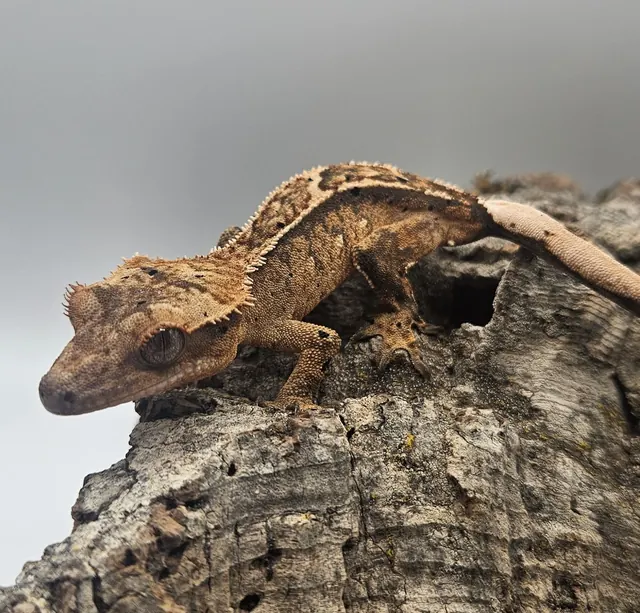
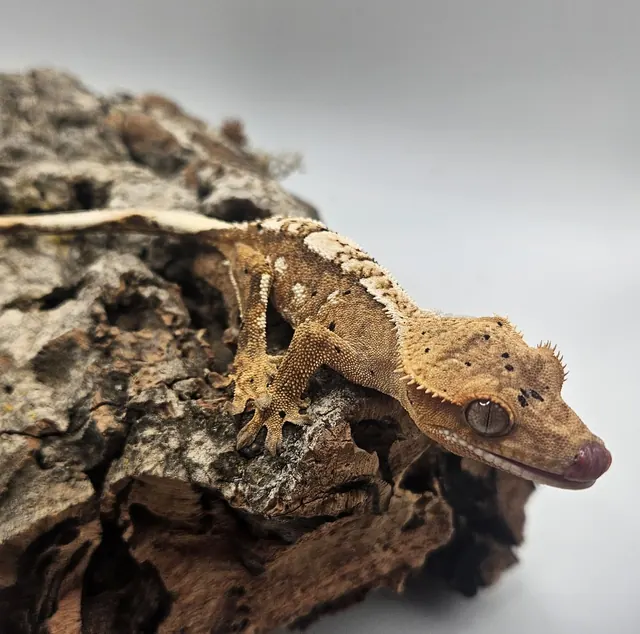
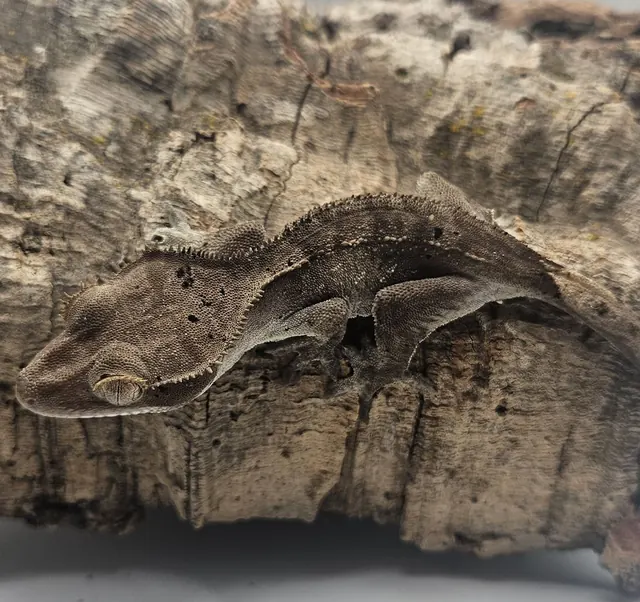
Examples from our collection
These are crested geckos we have bred and raised in Tyler, TX, labeled with the names we use in our listings.
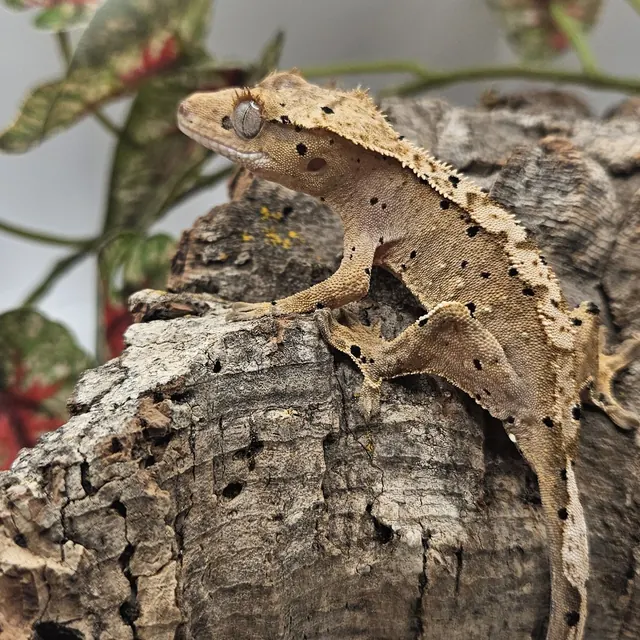
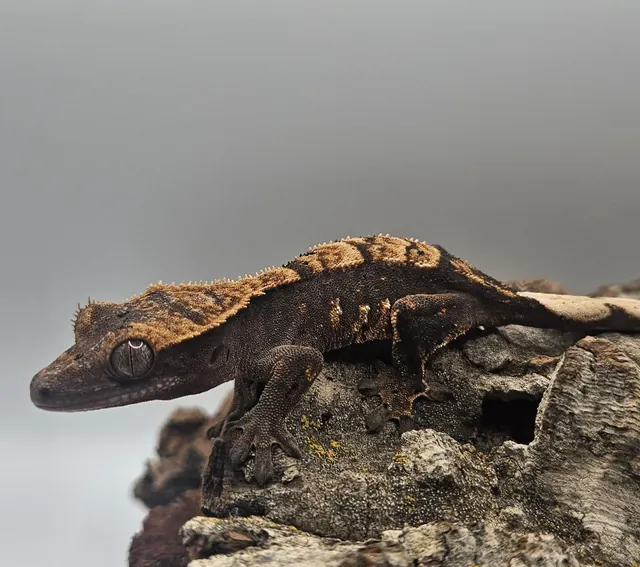
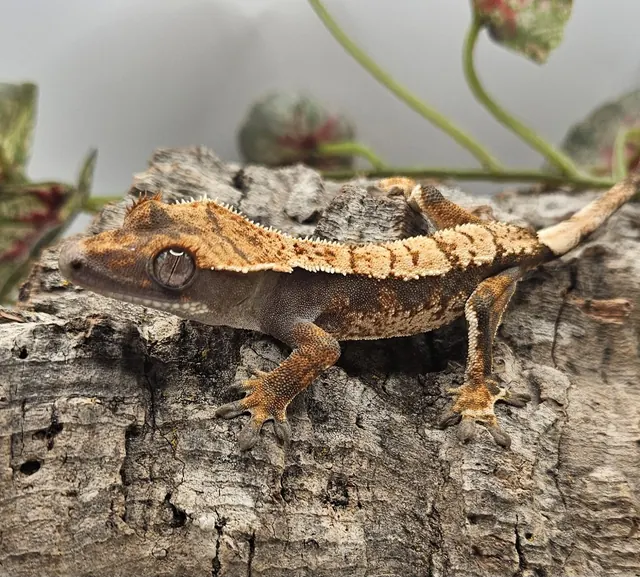
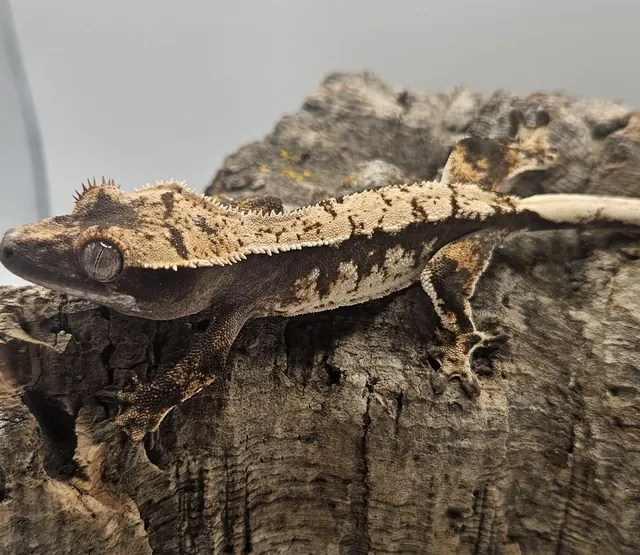
Crested gecko morph FAQ
What does morph mean for crested geckos?
A morph is shorthand for how a gecko looks: its base color, its pattern, and any extra traits. Some of that is genetic and can be passed on in predictable ways, and some of it is just the way a particular gecko turned out.
What is the difference between a flame and a harlequin?
Both have a lighter pattern over a darker base. A flame has the pattern mostly along the back, while a harlequin has more coverage that spreads down the sides and onto the legs. The more coverage, the more it is called a harlequin or extreme harlequin.
What does het mean?
Het is short for heterozygous. A het gecko carries one copy of a recessive gene, such as axanthic, but does not show it. It looks normal and can pass the gene on, and when two carriers are paired some of the babies can show it.
Do different morphs need different care?
No. Every crested gecko morph has the same care needs. Use our crested gecko care guide no matter what color or pattern you choose.
Will my gecko's color and pattern change as it grows?
Often, yes. Hatchlings and juveniles can change a lot as they mature, so a baby may not look like the adult it becomes. Geckos also darken and brighten through the day and night, which keepers call firing up and firing down.
Are any morphs unhealthy?
The common patterns are not a health concern. A few genetic morphs have a double-copy (super) form that is not viable, such as super lilly white and super cappuccino, which is why responsible breeders do not pair two of those together. Ask a breeder how they pair their animals.
What are the rarest crested gecko morphs?
Rarity changes with the market and with how clear and well developed the markings are. Genetic morphs like lilly white, axanthic and cappuccino, and combinations of them, are often priced higher than common patterns, but a well-patterned flame or harlequin from good lines can be just as striking.
How do I know what morph my gecko is?
Start with the base color and then the pattern, using the terms in this guide. Because there is no official naming standard, the most reliable answer is the breeder you got it from. Our listings spell out each gecko's morph, along with its parents and hatch date.
Find your crested gecko
Browse our captive-bred crested geckos, or message us about what you are looking for. Pick up by appointment, or ask about local delivery within 50 miles ($5 in Tyler, $15 out of town).
See available geckos Message usReady to home your new exotic?
Reach out with questions about availability, pricing, care, or anything else. Please give us until the end of the next business day for a response.